Tourists routinely treat the entire state of Rajasthan like an enormous, static museum display. They sprint back into their hyper-cooled tour buses; the cycle just repeats endlessly.
It genuinely boggles the mind.
Passive sightseeing practically guarantees an entirely shallow holiday. You barely scratch the surface of the region. If you actually want to process a destination as overwhelmingly dense and wildly colorful as India, you must physically engage with it. Stop staring at faded history trapped behind dirty glass cases. We understand foreign cultures by working directly alongside their people. We process reality through our hands.
The true marker of modern luxury travel isn’t bribing your way into a VIP palace tour. It revolves entirely around securing exclusive access to raw, unedited, hereditary artisan skills. Here are five exceptional ways to get your hands thoroughly dirty on your next trip.
1. Smashed Indigo: Hand-Block Printing
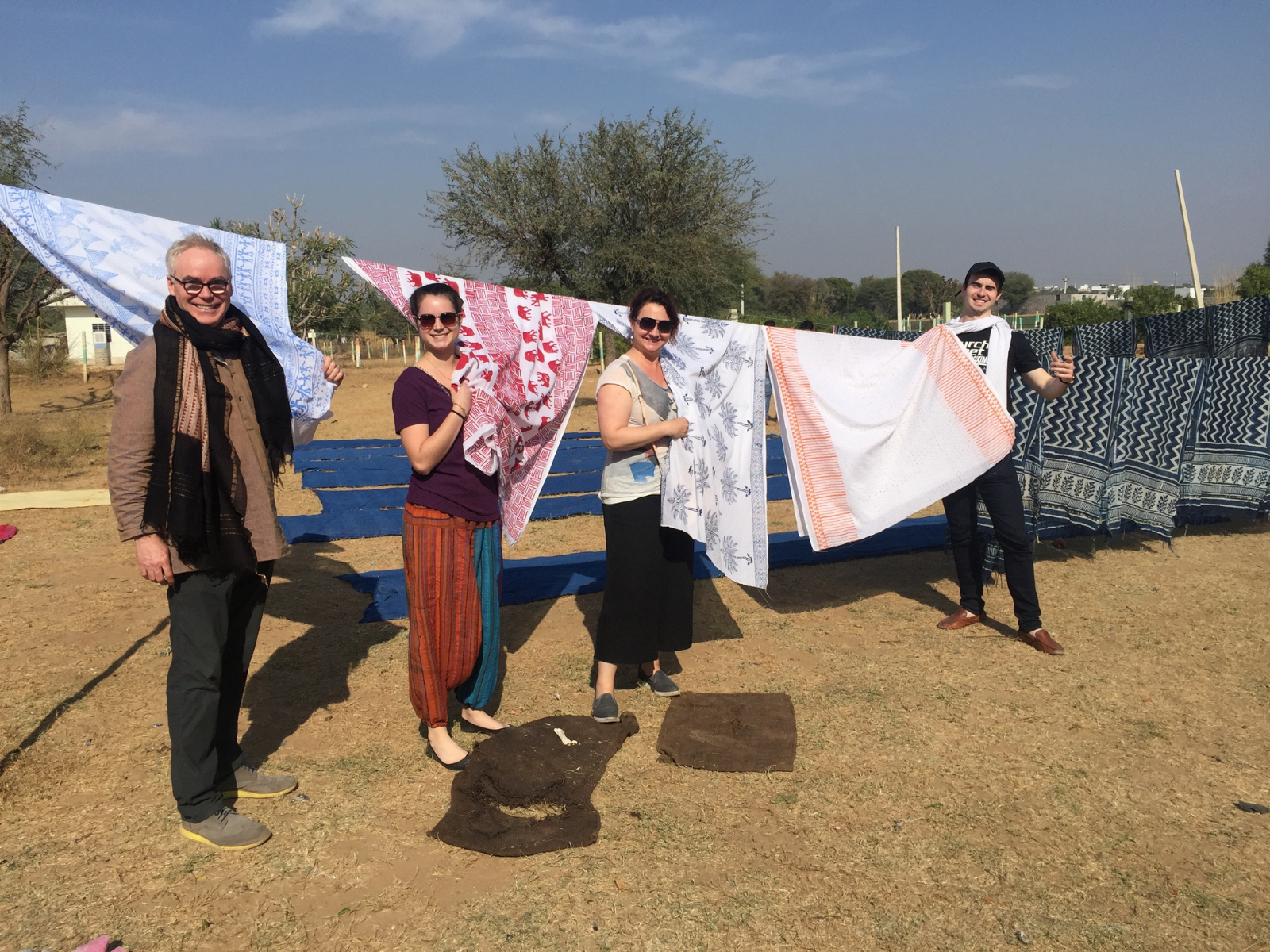 Indigo is terrifyingly unforgiving. Wander down any narrow market alley inside the Pink City limits, and you will inevitably bump into towering stacks of hand-stamped cotton shirts. Swiping your credit card takes five seconds. Actually crafting that fabric rewrites your entire brain.
Picture yourself sitting cross-legged on a worn stone courtyard. You grab a heavy, terribly bruised piece of carved teak wood. The raw physical force required to properly slam that specific block into wet fabric shocks most people. Your forearm instantly burns. Booking a dedicated hand block printing workshop in Jaipur completely strips away the cheap retail illusion. Hereditary masters teach you how to properly mix organic, earth-bound dyes sourced directly from dried turmeric and iron-heavy mud. You smell the sour earth. You proudly walk away carrying a highly flawed, beautiful fabric record of your own physical labor.
2. Playing with Fire: Crafting Lac Bangles
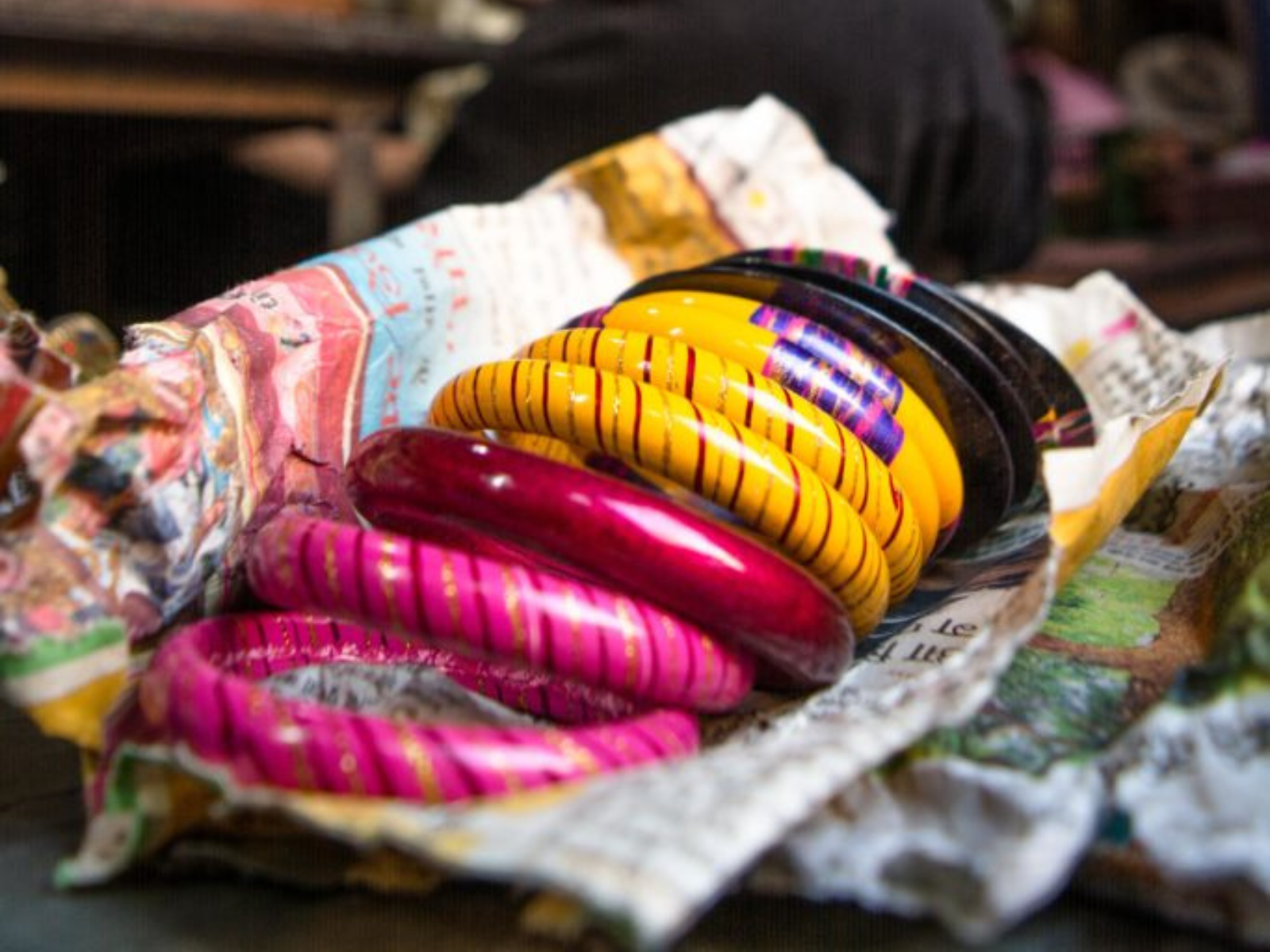 Resins possess a very weird magic. Rajasthani women have aggressively worn vividly colored, heat-molded bangles for actual centuries. Most casual visitors blindly assume these are simply cheap, factory-extruded plastic bracelets. They absolutely are not.
True Lac is a naturally occurring resin harvested manually from native trees. Watching a village artisan stretch and fold this dark, sticky material directly over glowing hot coals is deeply hypnotic. Trying it yourself is entirely different. It requires violent, unbroken focus. You have to constantly roll the searing hot paste fast before it abruptly cools into a brittle shell. Joining a specialized savista lac bangle workshop drops you right into the center of rural marital traditions. The radiant heat constantly nips at your thumbs. You embed bright stones straight into the semi-soft material. It solidifies instantly.
3. Mud and Momentum: The Village Potter’s Wheel
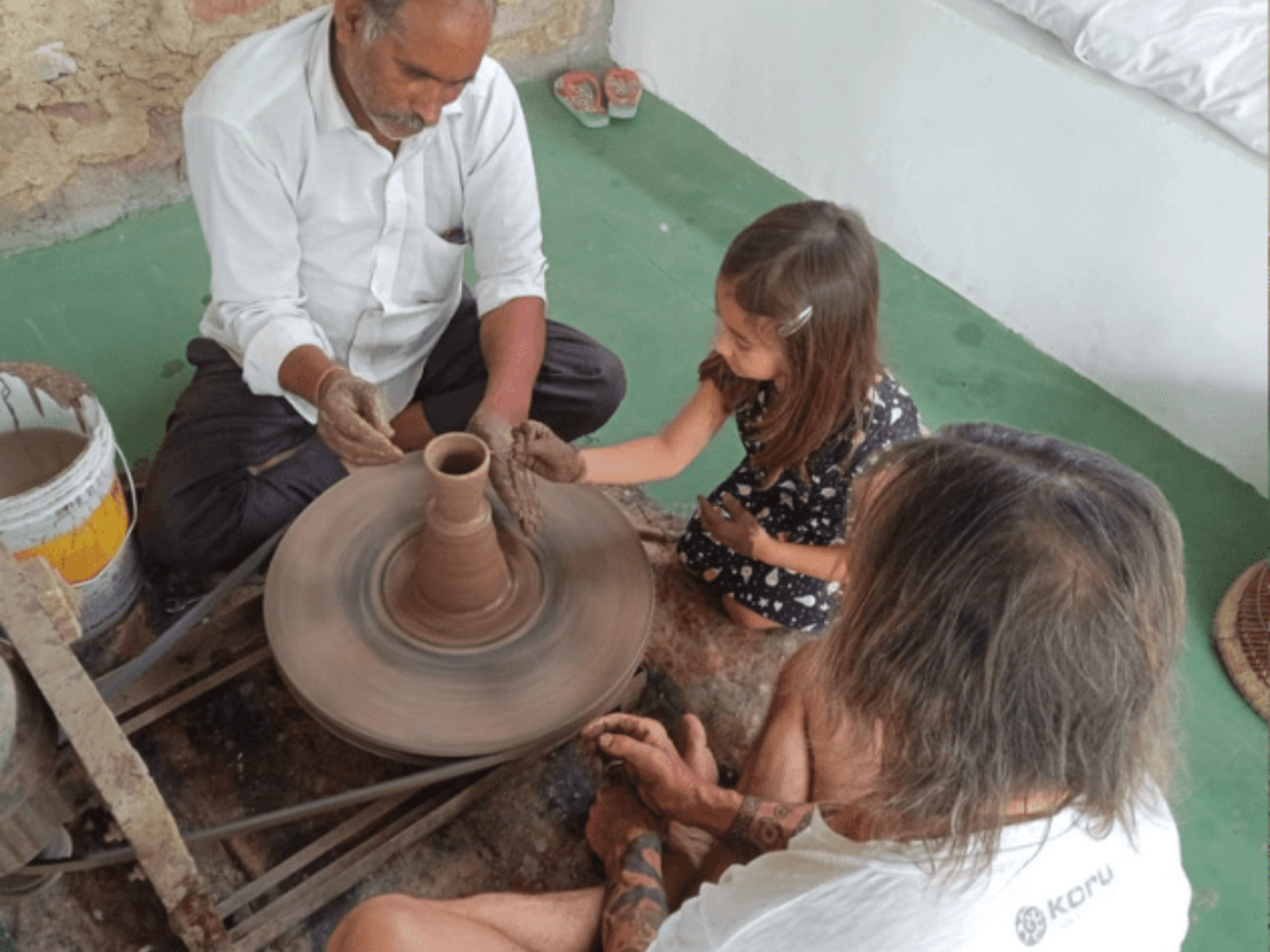 Put the smartphone down. Stick your clean hands straight into a bucket of freezing wet mud. In strictly agrarian Indian communities, the village potter literally shapes the foundation of domestic life.
These guys largely ignore modern electric pedals. They prefer spinning massive, ridiculously heavy stone wheels manually with a long bamboo stick. Once that heavy stone finally hits its terrifying terminal velocity, you step in. You gently cup the spinning wet earth. Your absolute slightest change in breathing radically alters the clay’s symmetry. Sneeze, and the whole wet cylinder immediately collapses. Locating an authentic pottery workshop in Jaipur shuts out the modern noise flawlessly. You force your center of gravity down. Eventually emerge completely covered in pale, dry dust, clutching a spectacularly crooked clay cup that you prize above everything else in your suitcase.
4. Ditching the Engine: Camel Cart Trundling
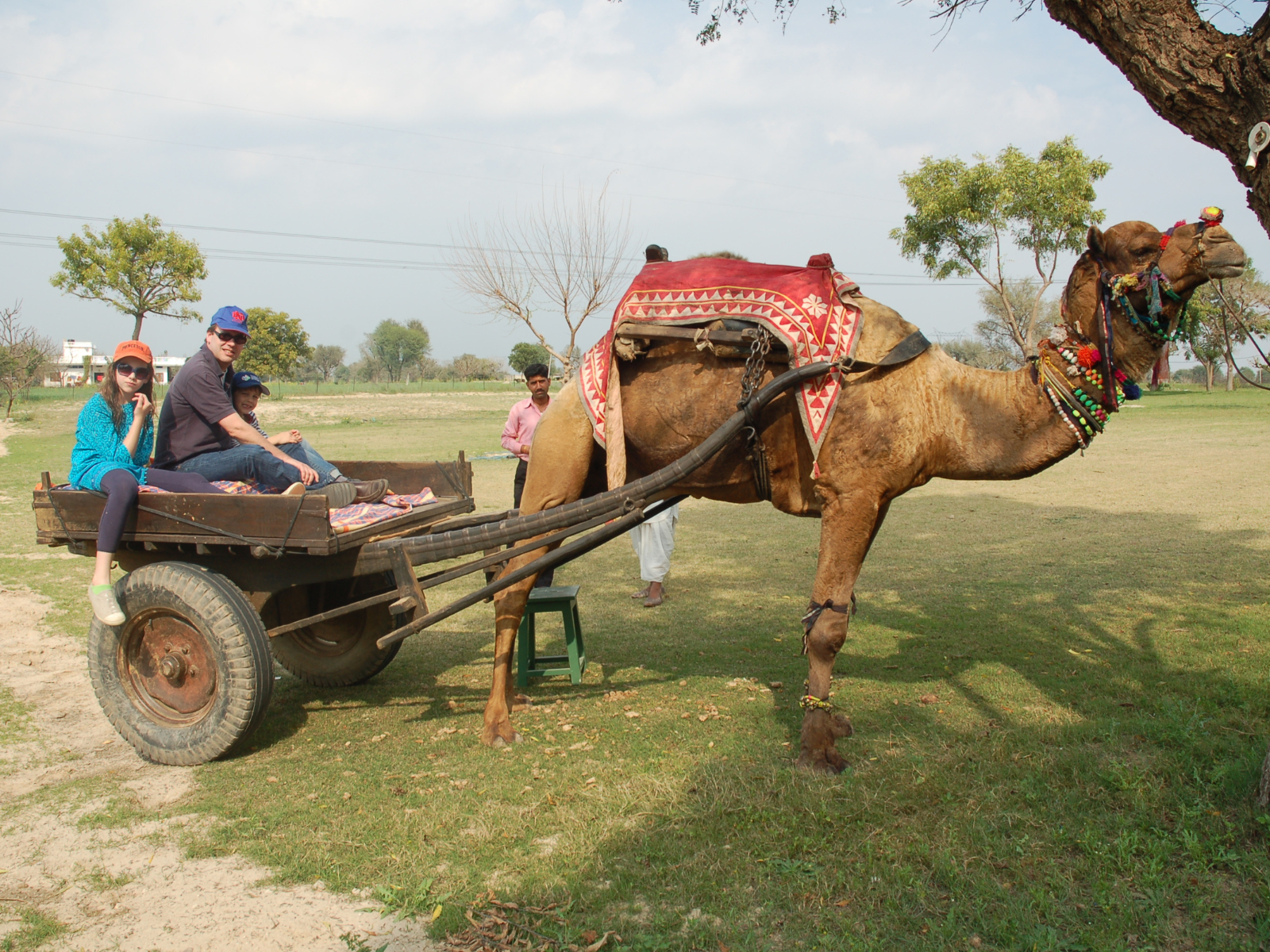 Diesel jeeps are a total menace. They violently tear up pristine desert scrublands and loudly terrify the local wildlife. To actually hear the faint, underlying pulse of the vast Thar desert region, you must drastically kill your speedometer.
Camels operate on a wildly different timeline. They are inherently stubborn, towering, and weirdly majestic. When you commit to a quiet camel ride in Rajasthan, you finally observe the deep agrarian outskirts exactly how native farmers see them. Huge, splintered wooden cart wheels creak loudly against dry ruts. You casually roll past isolated shepherds smoking in the deep shade of thorny trees. That absolute, piercing silence during a golden hour trundle beats any loud, heavily packaged tourist safari.
5. Anchoring the Art: Living Inside a Haveli
 Your operational basecamp directly dictates your cultural retention. Sleeping inside a generic, sanitized high-rise immediately shatters the historical spell. To properly digest these intense artisan skills, extremely curious travelers actively hunt down preserved architectural spaces to sleep in.
Savista Retreat captures this highly coveted ideal perfectly. Hiding quietly on a 12-acre chemical-free organic estate about forty minutes outside the loud urban limits, it anchors the entire holiday. When you book a room at one of these legitimate Jaipur heritage hotels, you flip the script entirely. Instead of you frantically fighting through polluted, aggressive city traffic to locate a specific workshop, the retreat simply brings the hereditary craftsmen to you. You learn to throw wet clay sitting inside a private, 300-year-old restored Rajput haveli. Wash indigo dye off your tired hands in a shaded courtyard. You eat spectacular, farm-fresh Rajasthani food right after your camel ride.
Ditch the exhausting role of a passive spectator. Stop standing on the sidelines holding a camera. Roll up your sleeves. Your memory of India will run so much deeper.