Introduction
The non-metallic gaskets market is growing steadily as more industries seek sealing solutions which offer good performance but are balanced in terms of cost and longevity as well. In the oil, gas and chemical industries, keeping the integrity of the equipment and preventing leakages are the two main aspects of safety and efficiency which cannot be overlooked. Non-metallic gaskets are made of materials like rubber, PTFE and graphite, which provide the users with a flexible, chemically resistant and thermally stable product which is gaining preference over the conventional metal ones.
Key Features of Non-Metallic Gaskets
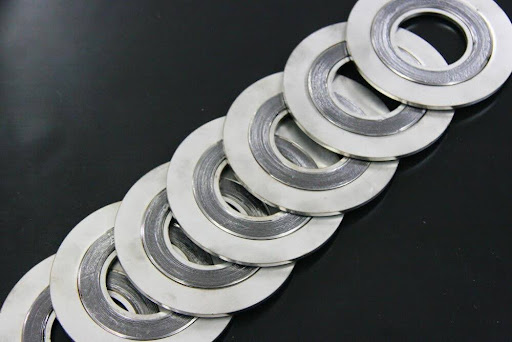
Non-metallic gaskets are perfectly capable of sealing tightly under the changing operating conditions. Compared to metallic gaskets, they have the ability to not only fit into the irregular shaping of surfaces but also resist corrosive agents and moderately high temperature changes. The typical materials used are PTFE, which is durable to chemicals, graphite that can stand up to extreme temperatures and elastomers that are soft and able to rebound. Moreover, these gaskets have been very handy in reducing the costs, especially in those sectors where the use of mechanical forces is normal but ultra-durability is not a requirement. This strengthening is the result of their position in the oil, gas and chemical industry.
According to International Energy Agency data, in 2024, the natural gas production reached approximately 4250 bcm and oil production approximately 103.4 mb/d. This high level of extraction, processing and refining, coupled with ageing infrastructure and new petrochemical plant construction, directly drives significant demand for non- metallic gaskets. As per the research conducted by Pristine Market Insights, the non-metallic gaskets are seeing increasing use in the renewable energy sectors such as wind and solar power installations.
Key Trends in Non-metallic Gaskets Market:
- Oil and Gas Expansion: The worldwide demand for energy is fueling the expansion of the non-metallic gaskets market. Increasing exploration, production, and transportation operations in the oil and gas industry require reliable sealing solutions for pipes, valves, and processing equipment. Non-metallic gaskets find extensive application in sealing leakages and preventing downtime caused by operations in high-pressure and corrosive conditions. for example, in offshore platforms and refineries.
- Chemical Industry Growth: The growing chemical industry has been another major factor driving the demand for non-metallic gaskets. Chemical processing or storage equipment, such as acid and alkali holders, not only comes in contact with aggressive chemicals but also withstands high temperatures. Hence, they need gaskets that can defy chemical attacks while maintainting its sealing integrity. Typically, PTFE and graphite gaskets are deployed for reactors and storage tanks, while elastomeric and composite gaskets are preferred as they give the right mix of chemical resistance and flexibility. As global chemical production expands, the dependence of various industries on non-metallic gaskets for their safe and efficient operations also increases.
- Material Innovation: One more factor that is driving the market is material innovation. For example, the introduction of new composites and reinforced polymers as materials enables non-metallic gaskets to be made stronger and more efficient. Each one of these is specially designed to suit the characteristics of the respective material, with graphite composites being extremely durable at high temperatures, PTFE laminates having very low friction, and advanced elastomers can retain their properties even when the pressure is changed. By adopting these technologies, industries can get away with longer intervals between maintenance, have less downtime due to equipment failure, and boost their overall operational efficiency.
- Compliance with Environmental Standards: One of the factors that is indirectly motivating the non-metallic gaskets market is environmental compliance. Stringent regulations on fugitive emissions and chemical leakages are forcing industries to look for highly effective sealing solutions. Non-metallic gaskets can significantly reduce environmental pollution and, simultaneously, are safer for plant operations. Besides this, the manufacture of gaskets using recyclable and low-impact materials not only meets the environmental standards but also attracts the consumers who are environmentally conscious, hence increasing the demand for non-metallic gaskets in the market.
Industry Specific Uses of Non-metallic Gaskets:
Non-metallic gaskets find implementation in a wide variety of industrial sectors. For instance, in the oil and gas sector, they are utilised to make leak-proof pipelines, valves, and drilling tools that can withstand the harshest environments. The chemical sector uses these gaskets in reactors, storage tanks, and pipelines handling highly corrosive chemicals to prevent any kind of leakage. Power generation plants employ such gaskets in their steam-generating units, rotating machinery, and distribution network to help maintain performance and the equipment’s lifetime. Besides that, water purification and manufacturing plants also use non-metallic gaskets in their pumping, valve, and filtering equipment, where resistance to chemical and mechanical stress is essential.
Disadvantages of Non-Metallic Gaskets:
Besides their benefits, the use of non-metallic gaskets can be restricted in some cases. For example, exposure to very high or very low temperatures can break the sealing materials, while those intended to resist high-pressure conditions also have to be supported with structural reinforcements to retain their shapes. At times, the price of raw materials, especially those involving special polymers and composites, may experience volatility that may indirectly affect the cost of producing the final goods. Conceptualising new products, ensuring compliance with predefined standards, and employing materials that are best suited for hard industrial conditions are some of the ways in which these problems can be effectively dealt with.
Conclusion
Non-metallic gaskets have become a cornerstone in enabling oil, gas, chemical and power sectors to achieve high operational reliability, safety, and efficiency. Their multifunctionality, alongside the promise of continuous materials’ improvements, makes it possible for them to be highly industrially efficient while still being environmentally friendly. Non-metallic gaskets are portrayed as an integral part of industrial strategy. They play a crucial role in sustaining the performance of equipment and industrial safety.
Author Bio :
Sandhya Jadhav is a research analyst specializing in industrial materials and market intelligence. She focuses on emerging trends, demand patterns, and technological advancements across sectors. With a keen eye for data-driven insights, she delivers well-researched analysis on non-metallic gaskets and their evolving role in oil, gas, and chemical industries.